Rechargeable Batteries

Rechargeable batteries are critical electrochemical energy storage devices available in various form factors, including standard cylindrical cells (e.g., AA, AAA), prismatic, and custom packs for specialized industrial applications. These secondary cells offer a sustainable and economically viable alternative to primary batteries by enabling multiple charge-discharge cycles.

How Rechargeable Batteries Work

Rechargeable batteries operate on reversible electrochemical reactions. During discharge, chemical energy is converted into electrical energy as ions move between the anode and cathode through an electrolyte. When charging, an external electrical current reverses this process, forcing ions back to their original electrodes and regenerating the active materials, thereby restoring the battery's capacity for subsequent discharge cycles. This cyclical chemical transformation facilitates repeated energy storage and release.

Rechargeable Batteries vs. Disposable Batteries

Rechargeable Batteries

Rechargeable, or secondary, batteries facilitate a reversible electrochemical reaction. When external electrical energy is supplied, typically from a charger, the ions migrate back to their original electrodes, regenerating the active materials. This reversibility allows the battery to undergo hundreds or even thousands of charge-discharge cycles, significantly extending its operational lifespan compared to primary cells.

Disposable Batteries

Disposable, or primary, batteries generate electrical current through an irreversible electrochemical reaction. Once the active materials are consumed or the reaction pathways are exhausted, the battery cannot be recharged, as the chemical transformations are not reversible. Consequently, these batteries are designed for single-use applications and must be discarded once their stored energy is depleted.

Benefits of Rechargeable Batteries

Environmental Impact

Resuable batteries significantly reduce environmental impact by minimizing waste generation. Unlike disposable batteries, which are single-use and contribute to landfill burden, rechargeable cells can be cycled hundreds of times. For instance, a typical Nickel-Metal Hydride (NiMH) battery can be recharged up to 500 to 1000 times, drastically reducing the consumption of raw materials and the disposal of hazardous substances. This aligns with broader sustainability efforts in Hong Kong, such as the Municipal Solid Waste (MSW) charging scheme designed to encourage recycling and reduce landfill waste.

Consistent Power Output

Rechargeable power batteries are engineered to deliver a stable and consistent voltage output throughout their discharge cycle, particularly until they reach a significant state of discharge. This characteristic is crucial for sensitive electronic equipment and industrial applications where voltage fluctuations can impair performance or lead to operational instability. The internal chemistry is optimized to maintain a relatively flat discharge curve, ensuring reliable operation.

Types of Rechargeable Batteries

Lithium-ion (Li-ion) Batteries

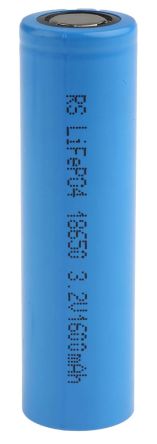
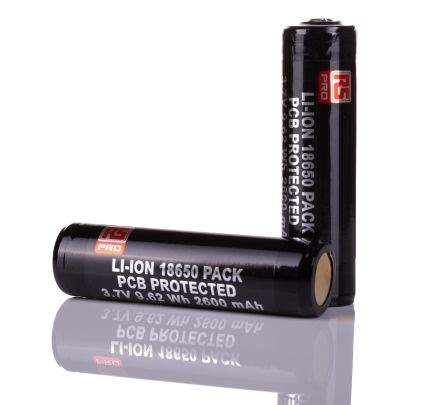
Lithium-ion batteries are characterized by their high energy density, low self-discharge rate, and absence of memory effect. They operate by the movement of lithium ions between the anode and cathode during charge and discharge cycles. Li-ion cells are prevalent in portable electronics, electric vehicles, and grid-scale energy storage due to their superior performance characteristics and high power-to-weight ratio.

Nickel-Cadmium (NiCd) Batteries

Nickel-Cadmium batteries were historically common, known for their robustness, high cycle life, and ability to deliver high discharge currents. Their operation relies on nickel hydroxide and cadmium electrodes. However, due to the toxic nature of cadmium and the pronounced memory effect, their use has declined, being largely superseded by more environmentally friendly and higher-performance chemistries.

Nickel-Metal Hydride (NiMH) Batteries

Nickel-Metal Hydride batteries offer a higher energy density than NiCd cells and are less prone to the memory effect, while being more environmentally benign. They utilize a hydrogen-absorbing alloy for the anode. NiMH batteries are widely used in hybrid electric vehicles, medical devices, and consumer electronics, providing a good balance of capacity, cycle life, and safety.

Lead-Acid Batteries

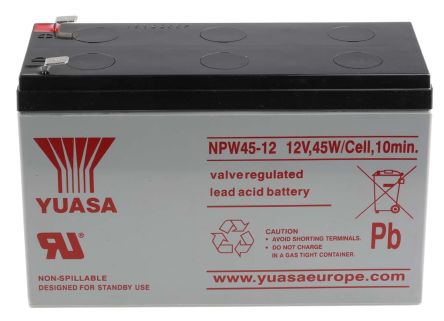
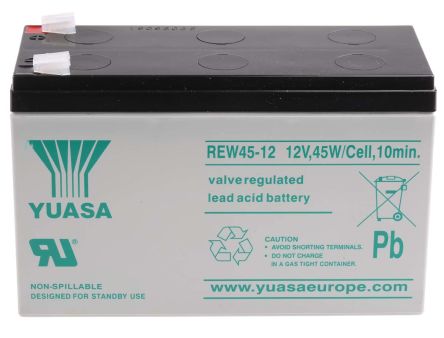
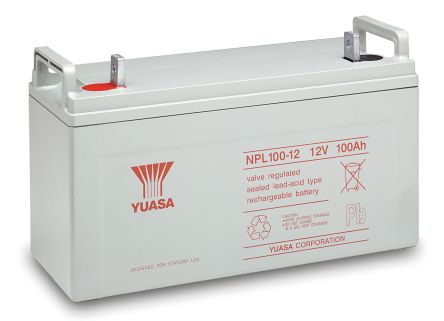
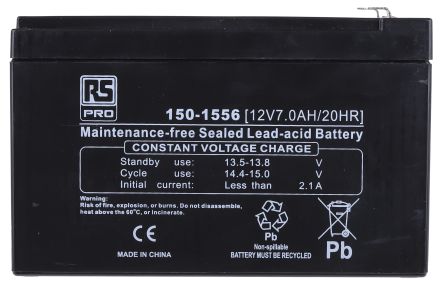
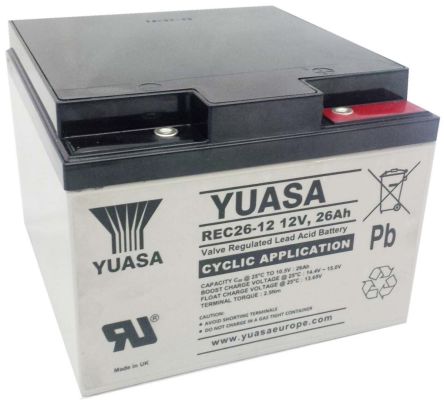
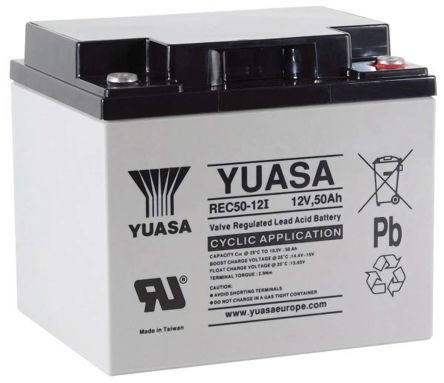
Lead-acid batteries are robust and cost-effective, employing lead and lead dioxide electrodes submerged in a sulfuric acid electrolyte. They are known for their high current capabilities and are commonly used in automotive starting, lighting, and ignition (SLI) applications, as well as in uninterruptible power supplies (UPS) and industrial motive power (e.g., forklifts) due to their reliability and relatively low cost per watt-hour.

Applications of Rechargeable Batteries

Rechargeable batteries are integral to a vast array of industrial and consumer applications due to their reusability and diverse performance characteristics.

  • Portable Devices: Essential for enabling mobility in devices such as smartphones, digital cameras, and laptop computers, where sustained power and compact size are critical.
  • Industrial Tools and Equipment: Powering cordless drills, industrial sensors, barcode scanners, and various mobile robotic platforms, offering operational flexibility without tethering to a power outlet.
  • Automotive and Emergency Systems: Crucial in electric and hybrid vehicles for propulsion, and vital for Uninterruptible Power Supplies (UPS) and emergency lighting systems, ensuring continuous operation during power outages.
  • Renewable Energy Storage: Increasingly deployed in conjunction with solar and wind energy systems to store excess generated power, providing grid stability and enabling energy independence.

The Leading Supplier and Distributor of Rechargeable Batteries in Hong Kong

RS is your trusted provider of high-quality rechargeable batteries. We offer a comprehensive selection from leading manufacturers like Ansmann, Yuasa, and RS PRO. Our diverse inventory includes various sizes and capacities at competitive prices, ensuring you find the ideal reusable battery solution for your specific needs.

We also supply other essential power management components besides recyclable batteries, such as sealed lead-acid battery and DIN rail power supplies, to optimize your setups. Buy your AA, AAA, PP3, coin cell, or specialist rechargeable batteries and related accessories online today. For more information on our ordering process, delivery services, and associated fees, please consult our delivery page.

594 Products showing for Rechargeable Batteries

Sort By
30 of 30
In Stock
  • RS Stock No. 633-415
  • Mfr. Part No. NEB-BAT-0008-G
Subtotal (1 unit)
HK$163.10
HK$163.10/unit
In Stock
  • RS Stock No. 269-9055
  • Mfr. Part No. 8AAM2-2LJ3/PYR
Subtotal (1 unit)
HK$271.16
HK$271.16/unit
In Stock
  • RS Stock No. 246-6435
Subtotal (1 unit)
HK$520.60
HK$520.60/unit
In Stock
  • RS Stock No. 729-735
  • Mfr. Part No. LT12-7
Subtotal (1 unit)
HK$1,418.51
HK$1,418.51/unit
In Stock
  • RS Stock No. 176-9355
Subtotal (1 unit)
HK$293.00
HK$293.00/unit
In Stock
  • RS Stock No. 765-686
  • Mfr. Part No. 5703301404
Subtotal (1 pack of 4 units)
HK$161.47
HK$161.47/pack
In Stock
  • RS Stock No. 619-9774
  • Mfr. Part No. 5030792
Subtotal (1 pack of 4 units)
HK$77.30
HK$19.325/unit
In Stock
  • RS Stock No. 246-6431
Subtotal (1 unit)
HK$316.20
HK$316.20/unit
Temporarily out of stock
  • RS Stock No. 729-738
  • Mfr. Part No. LT12-35
Subtotal (1 unit)
HK$5,022.15
HK$5,022.15/unit
In Stock
  • RS Stock No. 246-6438
Subtotal (1 unit)
HK$563.10
HK$563.10/unit
Temporarily out of stock
  • RS Stock No. 791-6460
  • Mfr. Part No. MIKROE-1120
Subtotal (1 unit)
HK$180.70
HK$180.70/unit
New product - Preorder today
  • RS Stock No. 861-925
  • Mfr. Part No. BK-4MCDE/2CP
Subtotal (1 pack of 2 units)
HK$124.17
HK$124.17/pack
New product - Preorder today
  • RS Stock No. 861-926
  • Mfr. Part No. BK-4MCDE/4CP
Subtotal (1 pack of 4 units)
HK$223.45
HK$223.45/pack
New product - Preorder today
  • RS Stock No. 861-923
  • Mfr. Part No. BK-4HCDE/4CP
Subtotal (1 pack of 4 units)
HK$399.88
HK$399.88/pack
Results per page